
Tricks and tips for longer drum usage
How Many Print Cycles Should an OPC Drum Really Last?
How many times have you heard a supplier tells you their OPC drum is rated for 30,000 pages. Another says 50,000. A third, somehow, says 80,000, it could be the same drum size, same use case, but actually half the price of the first two.
So which one is lying?
Technically, Maybe none of them. Practically, Maybe all of them. The honest answer is that “page yield” is one of the most quietly manipulated numbers in the printing consumables industry why? not because the math is fake, but because almost nobody discloses under which conditions these number was measured . Change the conditions, change the number, keep the label the same.

What's Physically Wearing Out, and Why It Sets a Real Ceiling
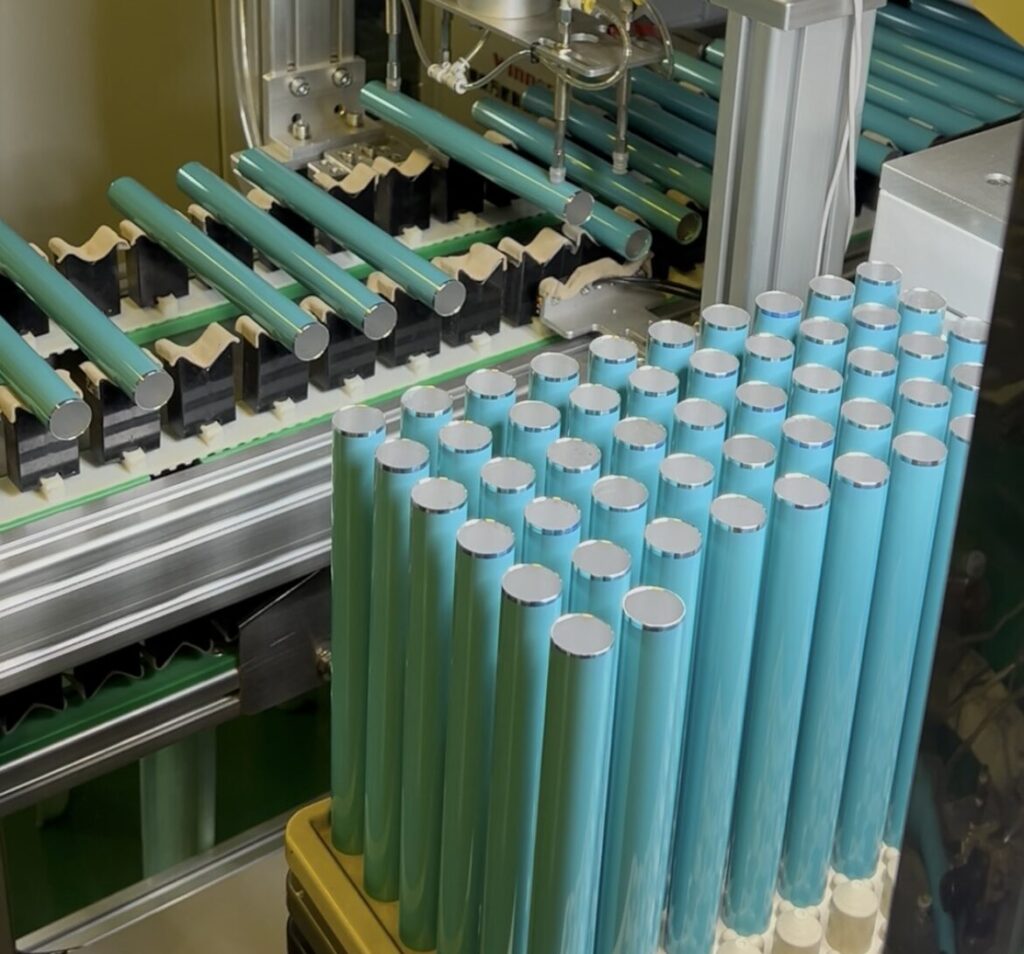
An OPC drum doesn't fail all at once, it doesn't reach 70000 and suddenly stops, what it does is: it wears down layer by layer. The photoconductive coating on a new drum typically runs around 50 microns thick. Once somewhere between 5 and 15 microns of that coating has worn away, the drum is considered functionally depleted: charge control gets inconsistent, and print quality degrades in ways no amount of toner adjustment can fix.
That's a physical ceiling, not a marketing one. When a drum claims a yield far above what the coating thickness and material grade can support, it isn't offering better engineering at all, it's just measured under gentler conditions, or the number was never tested at all.
The Symptoms That Tell You a Drum Is Actually at End of Life
When some signs show, it indicates a drum has reached its real limit, regardless of what has been promised:
Ghosting: A shadow from the previous print appearing on the current one.
Banding or streaking: Vertical lines or bands, often from surface scratching or the uneven wear.
Background haze or "fogging": Instead of a normal white, the background seems a bit gray, that's a sign the drum isn't discharging cleanly between cycles.
Fading or inconsistent density: especially in large solid-fill areas.
If a customer sees these signs before the rated page count, that's the clearest signal that a supplier's yield claim didn't match!
Want the coverage percentage, coating spec, and test method behind our own numbers before you order? Ask us Directly
Why Identical-Looking Drums Land on Wildly Different Numbers?
Three drums that look similar on paper can yield anywhere from 10,000 to 150,000+ pages in the real test, why?
Coating material and thickness: as we discussed earlier: cheaper drums = less photoconductive layers and will wear faster under identical use. try to get at least 50 microns thick drums.
Environmental exposure: you might already know this but heat, humidity, and dust accelerate coating degradation seriously.
Duty cycle: printing with frequent “start-stop” wears drums faster than long, steady runs.
Before comparing quotes side by side, you should have a clear understanding about these things first.
Ask whether the number came from direct testing or extrapolation from a similar model and Compare the claimed yield against the coating thickness range for that drum category.
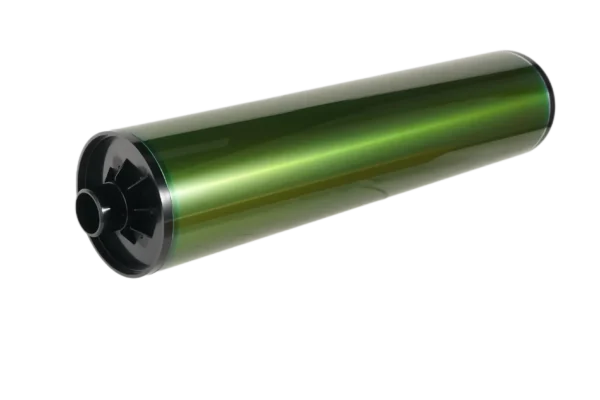
There’s no single “correct” page-yield number for an OPC drum. What separates a trustworthy claim from a marketing one is whether the supplier can tell you how they arrived at this number, and whether that number holds up against the physical reality of coating wear or not.
If a supplier won’t answer “what coverage was that tested at,” that’s usually the answer in itself.